


1. Identify Key Stakeholders
Identify key stakeholders in the community who have an interest in the land. This can include local residents, businesses, environmental organisations, and government agencies. Engaging with stakeholders at an early stage can help you understand their concerns and priorities whilst building trust.

2. Understand the Needs
Conduct a community needs assessment to determine what the community values and needs are. This can include public meetings, online surveys or focus groups to list just a few. The information you gather can help you tailor your land management initiatives to align with the community's priorities.

3. Develop a Communication Plan
Develop a communication plan that outlines your goals, objectives, and strategies for engaging with the community. This can include social media, newsletters, community meetings, and other outreach efforts. Make sure to use clear and concise language and provide opportunities for feedback.

4. Build Partnerships
Build partnerships with local organisations and groups to collaborate on land management initiatives. This can include conservation groups, local businesses, schools, and other community organisations. Partnerships can help you leverage resources and expertise, build trust, and foster a sense of community ownership.
5. Share Information
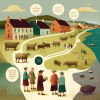
Share information with the community about the land management options you are considering and the benefits they can provide, such as improved carbon sequestration and increased biodiversity. Use visuals and stories to help people understand complex concepts, and be transparent about any potential trade-offs.

6. Carry out Feedback
Drum up feedback from the community on the land management options you are considering and use this feedback to refine your plans. Consider hosting public meetings or workshops as well as online digital engagement such as online surveys to gather feedback from a wide range of individuals across the community.

7. Involve the Community
Involve the community in the implementation of land management initiatives, such as planting trees, restoring wetlands, or capturing biodiversity records. This can help build a sense of ownership and stewardship, and increase the likelihood of success.
8. Keep Stakeholders Up to Date
Don’t stop there! Keep everyone up to date with progress and be open and honest with the lessons learnt - what has worked, what hasn't. Consider running site visits or providing updates through other means of digital engagement such as drone imagery, 3d models, maps, reports and gathering ongoing feedback. It's important to keep this information all in one central place so people know where to find the latest updates.