

What’s so Important About Natural Capital?
Starting with sustainability
The Intergovernmental Panel on Climate Change (IPCC) Special Report on Climate Change and Land¹ concludes land plays a critical role in climate change: releasing and absorbing greenhouse gases, while also regulating energy and water cycles. Climate change and extreme weather events threaten land ecosystems, biodiversity, people and businesses. Implementing sustainable land management practices is essential to reduce these threats and build resilience for both nature and people.
The role of natural capital
Natural capital is a term for the Earth’s stock of natural resources, including soil, water, and air, that are provided to society, the environment, and the economy. The benefits derived from these resources are gained by ecosystem services. Let’s check out an example below.
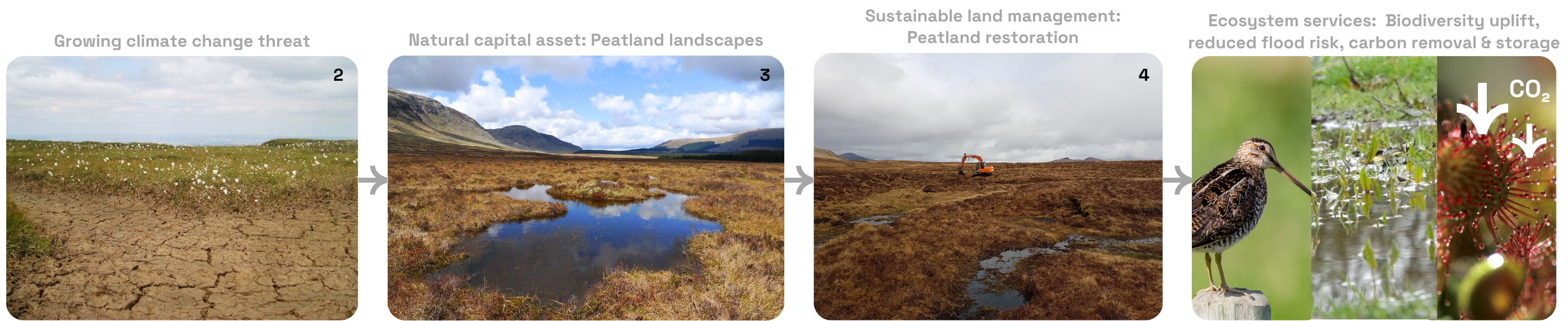
Why natural capital is so important
Natural capital is fundamentally important because it underpins all aspects of human well-being and economic activity. This varies from air to breathe, medicine, and religion, to photosynthesis, and many more. In UK land management, natural capital plays a crucial role in both sustaining and developing the sector, while also delivering essential environmental and financial benefits.
What does that mean for me?
The status of natural capital boils down to the direct impact on livelihoods, regulatory obligations, and long-term sustainability. Government regulations, standards, codes, advice and grants are in place in the land industry, aimed at environmental protection, sustainable development and public well-being. We’ve provided some examples of benefits derived from natural capital below, and what measures and opportunities are in place for you to engage.
Natural capital is important for…
How to get involved…
Mitigating flood risk
In 2025, the Environment Agency published an estimate that around 13% of all agricultural land, and 59% of grade 1 agricultural land, is at risk of flooding. Applying their climate change projections increases risk by 5% by mid-century.⁵ Healthy natural capital, such as functioning floodplains and restored peatlands, can naturally regulate water flow, reducing flood risk and protecting communities.
- Create a flood plan, with advice from the Environment Agency
- Uphold natural flood management practices, such as restoring wetlands or planting woodland. Look out for grants, such as the Woodland Creation Planning Grant
- Receive flood warnings, including from the Scottish Environment Protection Agency
Supporting agricultural productivity
Healthy soils for nutrient cycling and soil stability, sufficient pollination, and clean water are vital for agriculture. They maintain crop yields and livestock health, creating food security.
- Utilise grants and schemes available, including:
- The Sustainable Farming Incentive (SFI), which pays farmers and land managers to take up or maintain sustainable farming and land management practices
- The Countryside Stewardship fund in England, that provides financial incentives to farmers, foresters, and land managers to protect and improve the environment (Higher Tier opens summer 2025)
- The Agri-Environment Climate Scheme (AECS) in Scotland, which promotes land management practices that protect and enhance Scotland’s land. Discover potential funding opportunities on any area of land in the Rethink Platform!
Enhancing biodiversity
Woodlands, hedgerows, moorland and coasts are just a few of many UK habitats for plant and animal species. Providing species with quality habitats, corridors to move and protection from invasive species prevents biodiversity decline, a serious threat currently being seen. In turn, species help agricultural systems thrive, naturally manage land and improve societal health.
- The IUCN Red List of Threatened Species is a great tool for identifying the population status of species, as well as providing information about their range, habitat and threats
- As of 2024, Biodiversity Net Gain (BNG) is mandatory for most new developments. It’s a way of creating and improving natural habitats, by making sure development has a measurably positive impact on biodiversity, compared to what was there before development
Carbon sequestration and storage
The UK has a target to reach Net Zero by 2050.⁶ Restoring peatlands, creating woodlands, and improving soil carbon storage are vital roles that natural capital plays in reaching those targets.
- Including through the grants and opportunities mentioned above, there are many ways land managers, owners and project developers can increase carbon sequestration
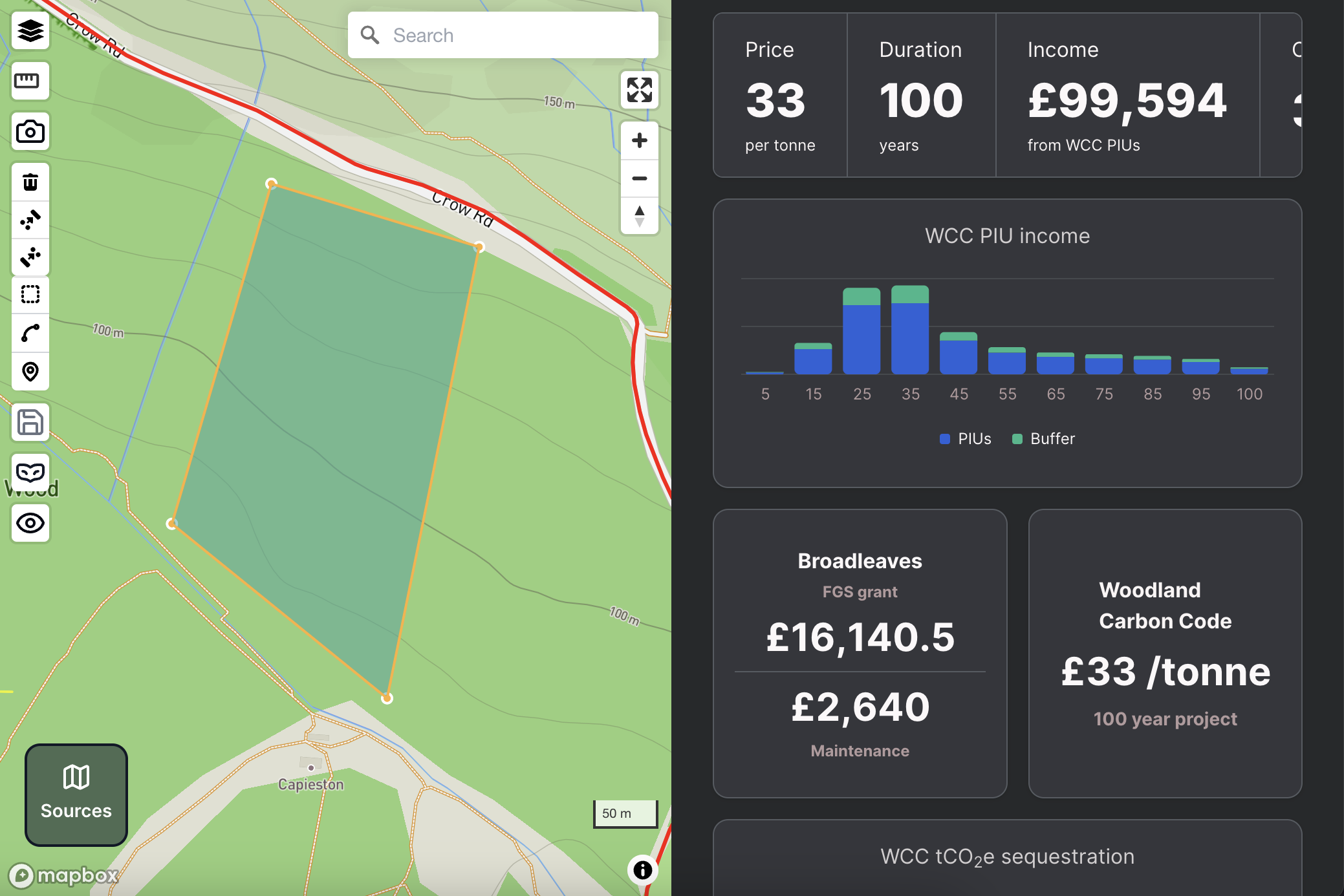
- New woodland creation and peatland restoration projects can verify carbon units under the Woodland Carbon Code (WCC) and Peatland Code (PC), with units representing one ton of CO₂e that has been removed from the atmosphere by growing trees or restoring peatland
- In the Rethink Platform, instantly view and compare the sequestration and financial potential of woodland creation and peatland restoration scenarios using WCC and PC inputs
Supporting rural communities
Natural capital brings many benefits, and it’s essential those benefits can be utilised by local communities to create a positive knock-on effect in the area. For example, rural tourism accounts for 70-80% of all domestic UK tourism.⁷ Natural capital is a key source for rural tourism, with landscapes and biodiversity attracting visitors and generating income for local businesses.
- The recently extended Farming in Protected Landscapes (FiPL) programme offers grants for projects in National Parks and National Landscapes that benefit the area environmentally and culturally
- Projects can adhere to the Community Inclusion Standard. The Standard has a Best Practice Guide to support nature projects to engage with their target community throughout the whole process
- Create a project plan that involves communities from the beginning and into the future
We’re here to help
Navigating natural capital can be overwhelming, time-consuming and costly. You may not have the expertise, tools or budget to discover the potential of natural capital on an area of land, whether it be for a small sustainable project or catchment-scale restoration plan.
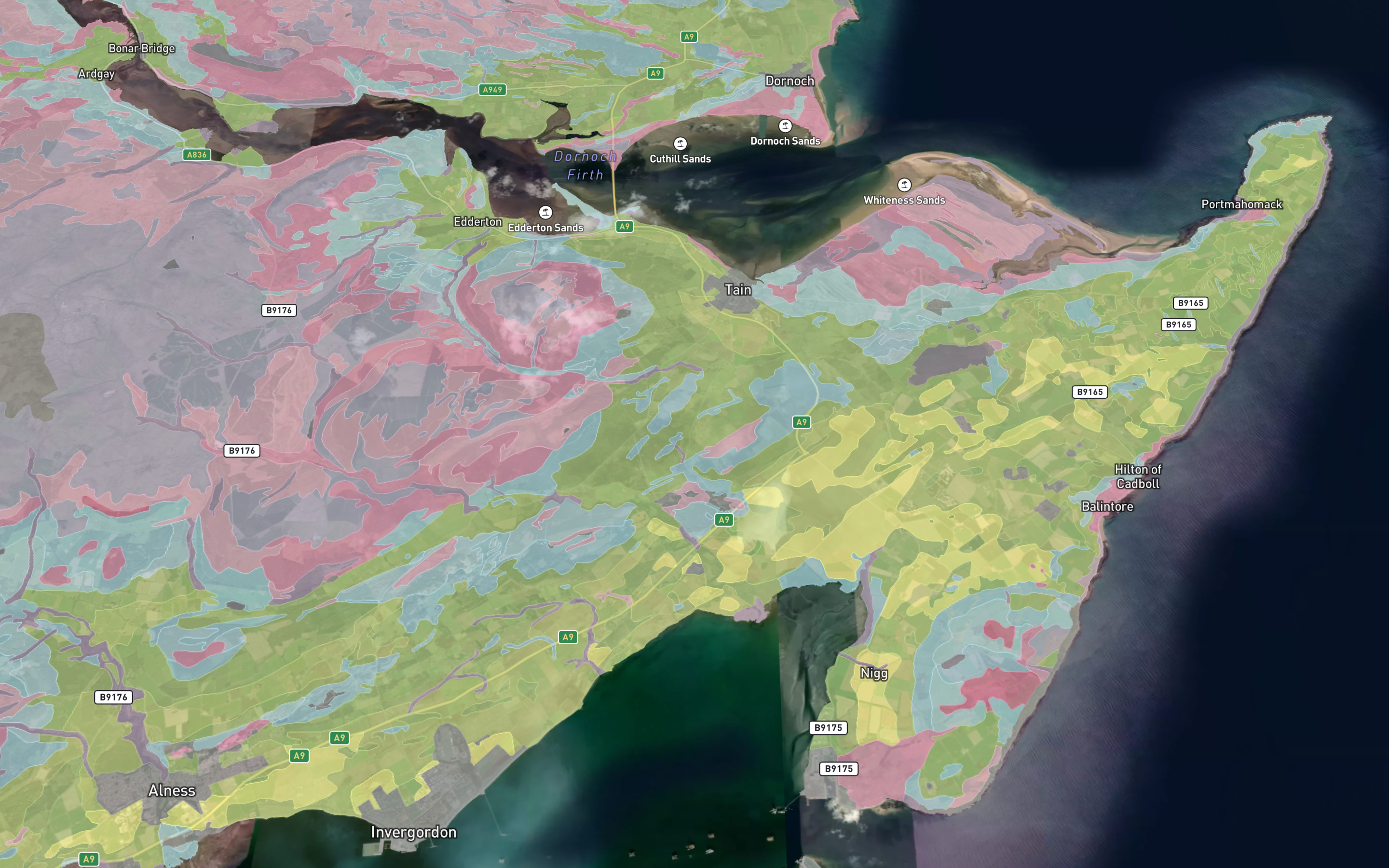
In the Rethink Platform, we’ve gathered over 100 trusted datasets from across Scotland and England into one central location. In one click, any area of land can be instantly analysed to scope its natural capital potential. Additionally, discover carbon sequestration and financial unit potential for peatland restoration and woodland creation projects, using the Peatland Code and Woodland Carbon Code emissions/sequestration calculators.
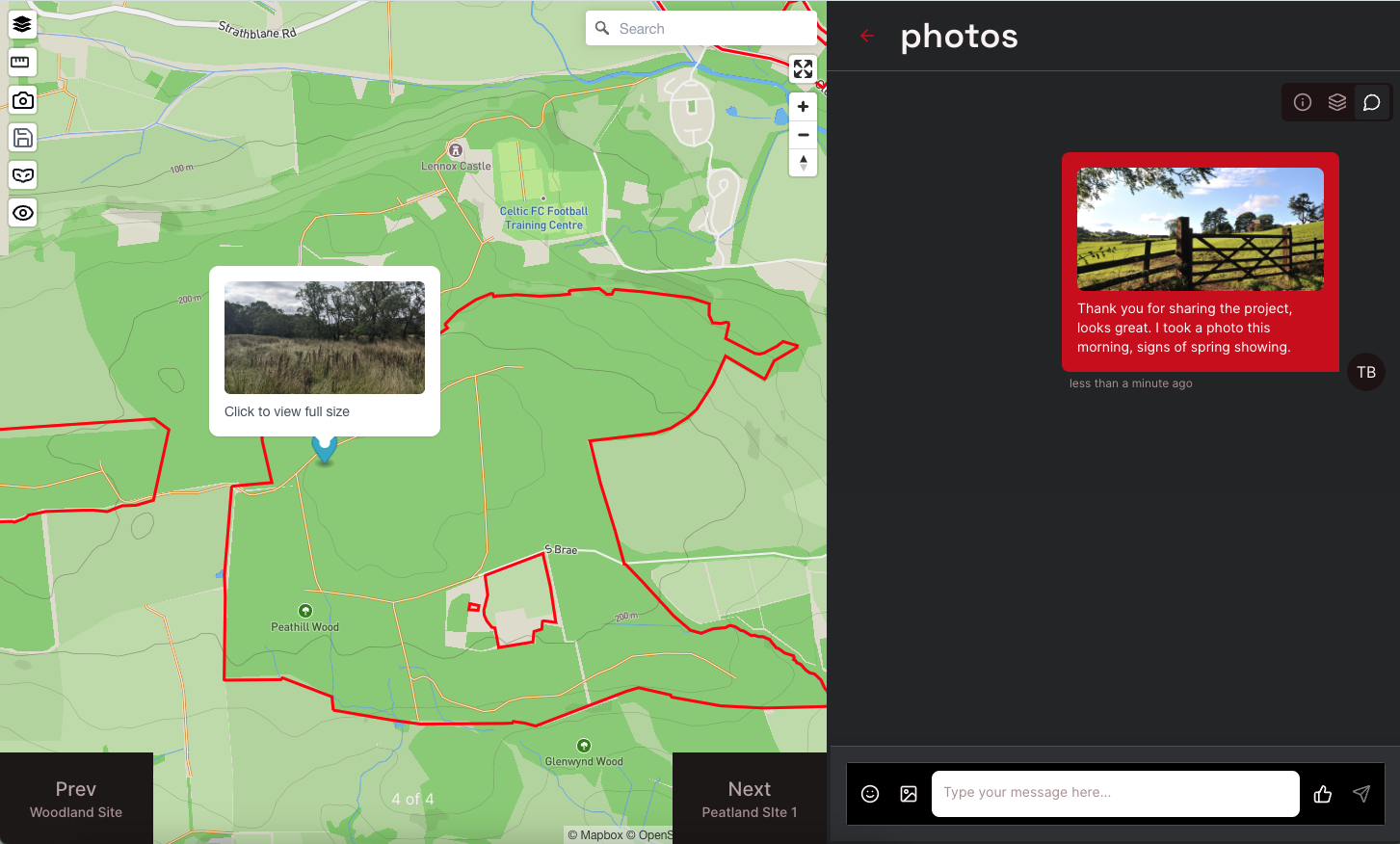
Take it one step further to maximise the benefits of natural capital for communities. Using the Rethink Platform, boost engagement with beautiful 3D maps and facilitate conversation with our chat tool to ensure communities are kept in-the-loop with land management initiatives. This may be a local school using a new woodland for education, or gathering local knowledge on a biodiversity project.

Useful link: State of Natural Capital Report for England 2024
¹ IPCC – Special Report on Climate Change and Land
² Image credit: Eileen Henderson
³ Image credit: Emma Goodyer
⁴ Image credit: Emma Goodyer
⁵ Environment Agency – National assessment of flood and coastal erosion risk in England 2024
⁶ UK Government – Net Zero Government Initiative
⁷ CLA – A strategy for rural tourism
⁸ UK Government – Environment Act 2021
⁹ UK Government – Environmental Land Management (ELM) update