

AI-Driven, AI-Powered, AI-Enabled: What Do They Actually Mean?
When you hear “AI-driven”, “AI-powered”, or “AI-enabled”, do you picture robot assistants and fake images, like the ones below? When used correctly, these terms actually represent the architecture, data flow, and design choices behind organisations that develop and apply AI. This article pulls back the curtain on how AI is used in serious product innovation, especially in climate-tech.


The Misconceptions of AI
The Oxford English Dictionary (1) defines artificial intelligence as “the capacity of computers or other machines to exhibit or simulate intelligent behaviour” and “software used to perform tasks or produce output previously thought to require human intelligence, especially by using machine learning to extrapolate from large collections of data.”
The field dates to 1955, when John McCarthy proposed the Dartmouth summer research project on artificial intelligence, though its foundations root from Alan Turing’s work in the 1940s. It has advanced significantly since. In the UK, estimated AI-related revenue reached about £23.9 billion in 2024 (2). AI is used and trusted across many sectors, from diagnosing disease in healthcare, detecting fraud in finance, and optimising resources in manufacturing (3).
Yet some common misconceptions include “AI is always biased,” “AI is limited,” “AI can make mistakes” (4). We’ve all seen generated images of people with eleven fingers, which has negatively skewed the perception of AI. Is it the AI that made the mistake, or the human that didn’t prompt it to give them just ten fingers? In short, what you get depends on the data, how the system is built, and people checking it, not on AI alone.
AI Behind the Curtain
Behind any credible AI system lies the complex scaffolding through which data flows. Modern workflow engines and orchestration systems automate how different components communicate, manage errors, retry failed tasks, and record what happens along the way.
In climate, land, and environmental applications, this orchestration allows vast datasets, from satellite imagery to soil surveys, to work together. AI models can then detect land cover change, monitor deforestation and afforestation, classify habitats, and estimate carbon storage with remarkable speed and consistency.
Example models include Google DeepMind’s AlphaEarth Foundations, Microsoft’s Planetary Computer, and NASA Earthdata, which offer satellite data enriched with AI on global scale.
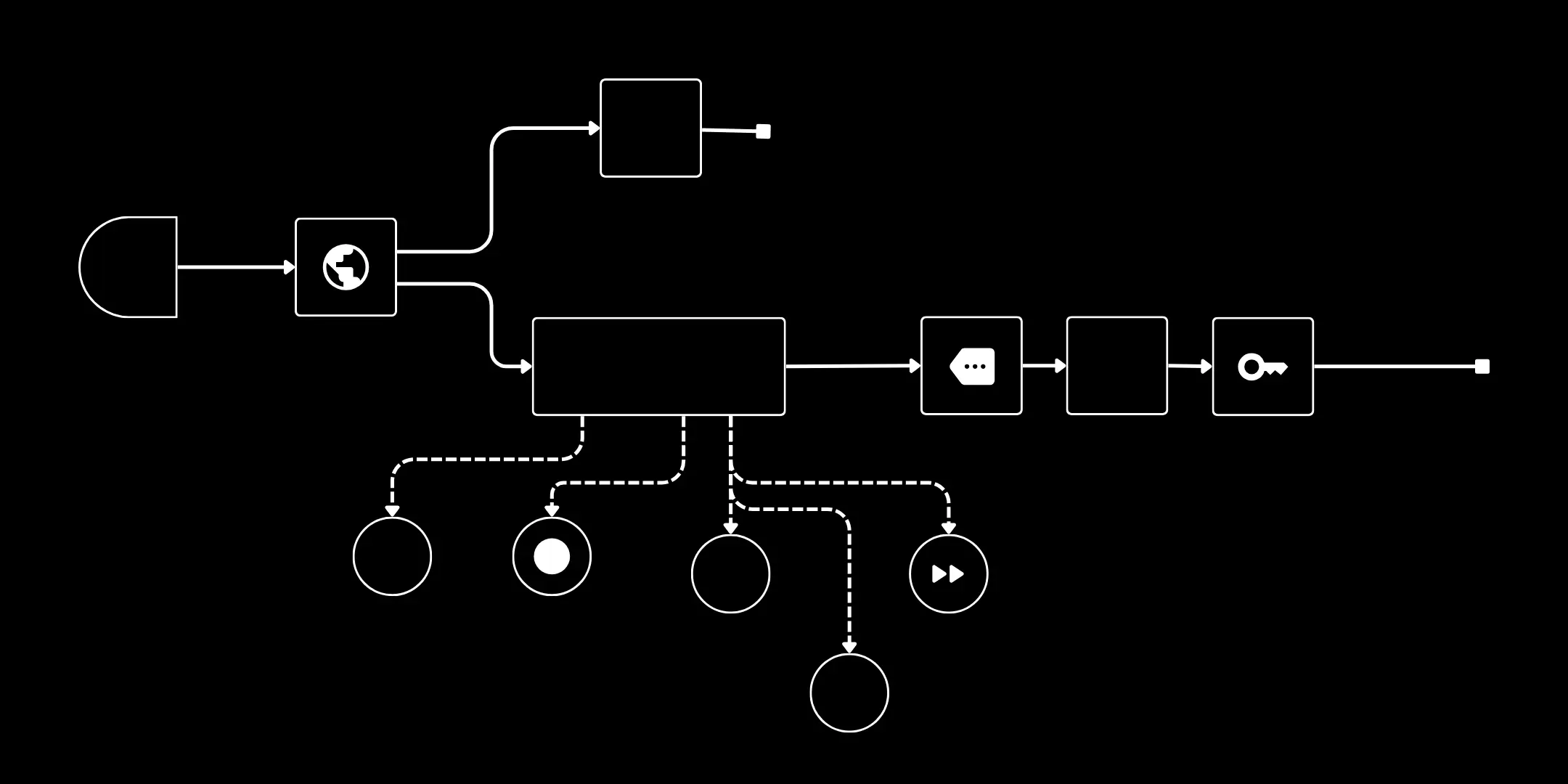

Developers connect workflows, data, and outputs through Application Programming Interfaces (APIs). An API is like a translator that lets different software systems talk to each other securely. This often includes AI capabilities such as natural-language processing, computer vision, speech recognition, or predictive analytics returned as structured responses (5).
Day-to-day example: A smart-home assistant uses an AI speech-recognition service. When you say “turn on the lights”, your device sends audio to the AI model via an API. The AI converts speech to text, recognises the command, and the API returns the result. The device switches on the lights.
Connecting data this way is only one path. Another is connecting human knowledge through human-in-the-loop (HITL). HITL is a collaborative approach that integrates human input and expertise into the training, evaluation or operation of machine learning and AI systems for accuracy, reliability, and adaptability (6).
Another day-to-day example: An online shop uses AI to flag suspicious transactions. Before action is taken, an analyst reviews flagged cases and confirms or corrects the AI decision. This pairing reduces false positives and drift over time (when the model’s predictive ability reduces because the data it encounters in the real world changes from the data it was trained on (7).
When “AI” Becomes Just a Buzzword
AI-washing is real. Some products use labels like “AI-driven” despite little or no substantive artificial intelligence. In severe cases, regulators intervene. The EU’s AI Act has introduced transparency and accountability requirements, with staged obligations from 2025, and significant penalties for misleading or non-compliant use. UK regulators such as the Advertising Standards Authority increasingly scrutinise inflated AI claims, because “trust in data” underpins funding, grants, and compliance.
AI Is More Accessible Than You Think
AI is no longer reserved for specialists. No-code and low-code tools let non-programmers build simple models, automate routine work, and weave AI into everyday tasks. Typical uses include analysing documents, extracting data from forms, summarising notes, and even building apps. Much of this happens inside familiar tools, so the learning curve is modest.
A practical way to begin is small. Pick one repetitive task, add an AI step, measure the impact, then expand. Try out drag-and-drop workflows like Zapier, use plain language to describe your vision through vibe coding (8), or simply start in a spreadsheet and add an AI step to auto-classify new rows.
Rethink Insights: Substance Over Slogan
We do not overuse “AI-driven”, “AI-powered”, or “AI-enabled”. When we do use them, the words reflect real architecture and accountability.
At Rethink Carbon, AI delivers clarity, not confusion. Our product, Rethink Insights, integrates natural capital datasets into one analytical system. When a user uploads a property boundary, our clever system does the work behind-the-scenes. The result is a rapid, data-rich natural capital report to baseline any land boundary.
Here are three key article takeaways:
- Stay up-to-date with AI through accessible videos and articles.
- If you want to start using AI, begin small and practise with something you’re interested in.
- Check out Rethink Insights below to see a real-world example in practice.
Ready to upload a property boundary today?
- Oxford English Dictionary
- UK Government: Artificial Intelligence sector study 2024
- Google Cloud: AI Applications
- Bewersdorff, A., Zhai, X., Roberts, J. and Nerdel, C., 2023. Myths, mis-and preconceptions of artificial intelligence: A review of the literature. Computers and Education: Artificial Intelligence, 4, p.100143
- HubSpot: Application programming interface: How APIs work and how to manage them
- Google Cloud: Human-in-the-Loop
- IBM: What is Model Drift?
- Google Cloud: What is Vibe Coding?