

Introduction
Scotland is home to a diverse array of wildlife, from red deer and golden eagles to otters and Atlantic salmon. However, these species face a range of challenges when it comes to dispersal and movement across the landscape. Physical barriers such as rivers, mountains, and roads can limit population connectivity, while land use changes and climate change are creating new challenges for many species. In this post, we’ll explore some of the key dispersal barriers facing wildlife in Scotland, as well as some potential solutions for overcoming these challenges.
Physical Barriers
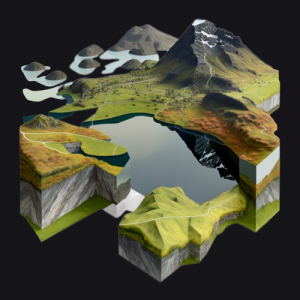
One of the most obvious dispersal barriers facing wildlife in Scotland are natural physical barriers such as rivers and mountains, but ever growing man made barriers such as roads and urban development continue to have a growing impact across the UK. While some species are well adapted to these features i.e simply swimming, climbing, or flying over them, others are more limited in their ability to move across the landscape.
One potential solution for overcoming physical barriers is to create wildlife corridors, also known an ‘Nature Recovery Networks’ (NRN’s), which are narrow strips of habitat that connect isolated patches of habitat. These can range in all scales and sizes, from green roof gardens in urban areas to connecting up native woodland at a catchment scale. Wildlife corridors can be designed to mimic natural features such as streams or hedgerows, and can provide a safe passage for wildlife across otherwise inhospitable terrain.
Trees For Life’s ‘Caledonian Forest’ provides a fantastic example where restoring a historical and important woodland habitat is leading to a recovery of key species whilst offering wider benefits such as reduced flood risk, carbon sequestration and offering a beautiful landscape for people to explore.
Achieving connectivity at this scale means working collaboratively and engaging with neighbours is critical in ensuring corridors can be connected and managed effectively, something our ‘Landlink’ feature aims to achieve (sign up below to find out more info).
Wildlife crossings, such as overpasses or underpasses, are also a solutuion to consider, providing safe passage for animals over or under highways for example.
Land Use Changes
Another major dispersal barrier facing wildlife in Scotland is the expansion of human land use, particularly in the form of agriculture and urbanisation. Intensive farming practices can create physical barriers such as fences and ditches, as well as reducing the availability of suitable habitat for many species. Similarly, urban development can fragment habitats and create “urban heat islands” that affect the behavior of some species.
One potential solution for overcoming land use changes is to work with land managers and communities to create more wildlife-friendly landscapes. For example, farmers can be encouraged to adopt agroforestry practices that incorporate trees and hedgerows into their fields, providing important habitat for wildlife and creating corridors for movement. Similarly, urban planners can design green spaces that provide important refuges for wildlife in otherwise built-up areas.
Restoring degraded habitats such as removing invasive species, planting native vegetation or restoring wetlands also play a key role in supporting biodiversity. The growth in ‘Nature Restoration’ or ‘Rewilding’ projects is hugely important in this area, and sees the restoration of previously man made environments or degraded areas of land into a place for wildlife and habitats to thrive when carefully managed. A recent study also found that rewilding can contribute significant efforts to preventing climate warming beyond the critical 1.5 degree figure.
Climate Change
Climate change is creating new challenges for wildlife dispersal in Scotland, as rising temperatures and changing weather patterns alter the suitability of habitats and create new barriers to movement. For example, as temperatures warm in some parts of Scotland, species that are adapted to cooler conditions may be unable to move to new areas that become suitable, or may be displaced by other species that are better adapted to the changing conditions.
One potential solution for overcoming climate change is to focus on habitat restoration and management, which can help to create more resilient landscapes that can support wildlife under changing conditions. For example, wetland restoration projects can help to create important homes for species such as water voles and otters, while moorland restoration projects can help to create new habitats for species such as black grouse.
Conclusion
In conclusion, while dispersal barriers pose significant challenges for wildlife in Scotland, there are a range of potential solutions that can help to overcome these challenges. By working together with communities, land managers, and conservation organisations, we can help to create more connected and resilient landscapes that support the diverse array of species that call Scotland home.
It’s obvious that having a clear understanding of a land holding, the habitats in it and neighbouring habitats is crucial to planning and understanding where opportunities for connecting habitats are. This boils down to having up to date information about your land. Rethink Carbon offers key datasets and tools to aid these decision, delivered in a user friendly, collaborative platform. Sign up below to find out more.